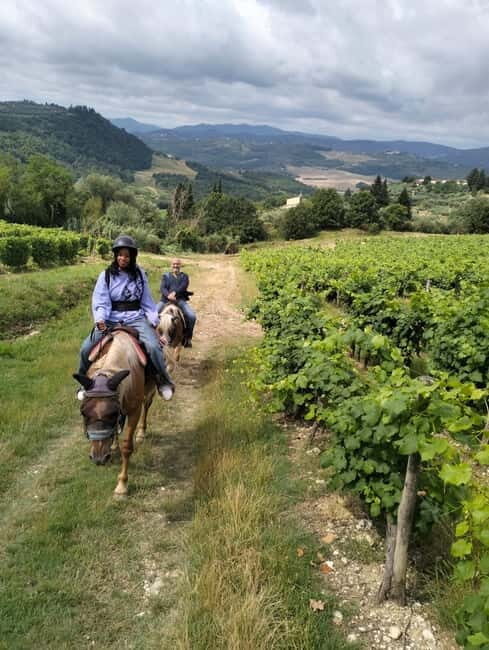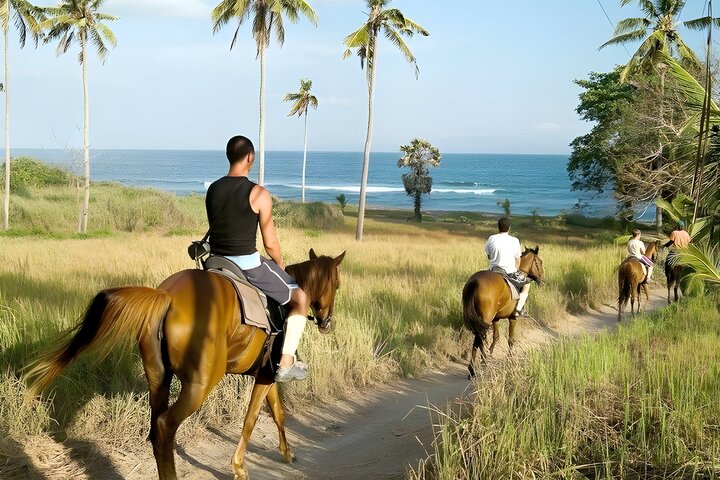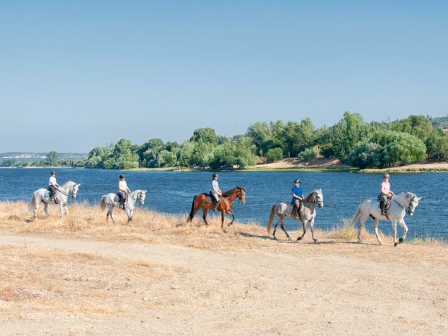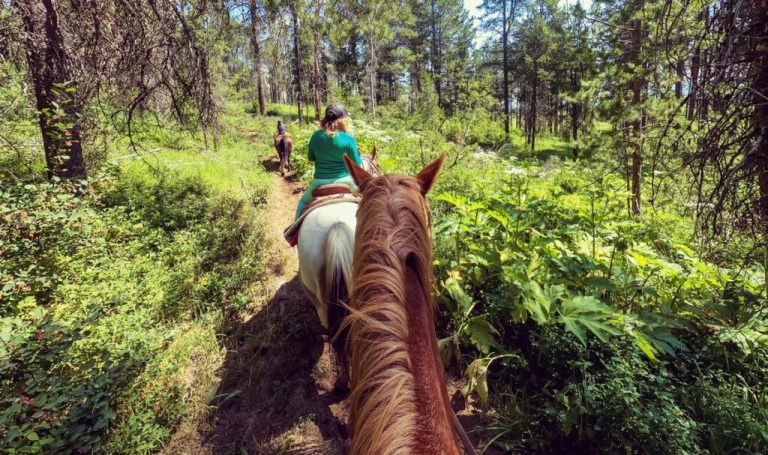
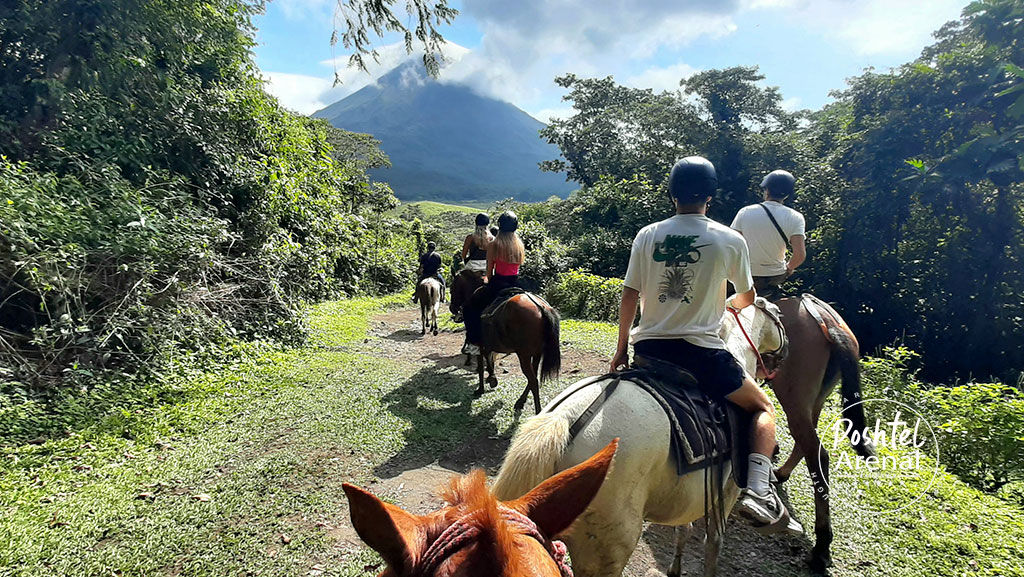
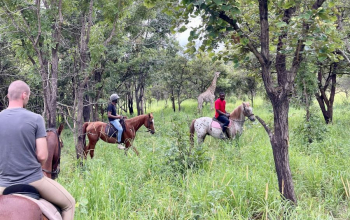
The whisper of hooves on soft earth, the dance of sunlight through the leaves, and the sudden, breathless glimpse of wild creatures—these are the moments that define the sacred bond between rider, horse, and nature. Through the gentle sway atop a well-trained steed, nature unfolds in panoramic splendor, inviting those who dare to venture off the beaten path to witness the delicate symphony of wildlife thriving beyond human gaze. Yet, the wild is no tame arena; every encounter with deer, coyotes, or bears whispers a cautionary tale of respect and preparedness. The poetry of observing nature from horseback is composed not only of sights but of trust—between horse and rider, and between human and the untamed world. The art lies in embracing stillness amidst wilderness, moving as one with a creature that reads the spirits of the forest, to share silently those fleeting appearances of the wild.
In brief:
- Unique Perspective: Horseback riding offers a serene vantage point for intimate wildlife observation while blending quietly into natural surroundings.
- Training and Trust: Preparatory training enhances horse confidence during unexpected wildlife encounters, ensuring safety and calm.
- Respectful Distance: Maintaining space protects both rider and animal, honoring the wild’s elusive harmony.
- Seasonal Shifts: The varying tapestry of flora and fauna across seasons enrich the horse trail experience with changing colors and wildlife behaviors.
- Equipment and Etiquette: Proper gear and trail manners safeguard the journey, preserving nature’s sanctity while deepening connection.
Witnessing Wildlife on Horseback: Immersive Encounters in Nature’s Realm
Within the embrace of vast landscapes, the rider becomes a silent witness to nature’s most intimate performances. Trails guided by the rhythm of WildRide Adventures or the serene expertise of Saddle Safari Outfitters lead riders not only to breathtaking sceneries but to moments where deer stand motionless under ancient oaks or coyotes fade like shadows at dusk. The horse, attuned to subtle vibrations and scents, acts as both guardian and guide, allowing the rider to approach the wild without disturbance. These occurrences demand a harmony forged through patience and respect, where every flutter of a leaf or rustle in the underbrush tells the story of unseen lives.
| Wildlife Species | Behavioral Notes | Recommended Distance | Horse Reaction Tips |
|---|---|---|---|
| Deer | Often curious but easily startled; move quietly. | At least 25 yards | Maintain calm; let horse observe and relax before approaching. |
| Coyotes | Usually avoid humans but watch for pack movements at dawn/dusk. | Stay alert; avoid sudden movements. | Use soft voice to reassure horse; avoid tension. |
| Bears | Most dangerous; require utmost caution; use bells to announce presence. | Minimum 100 yards | Preparation through training; do not approach. Keep horse steady. |
| Snakes | Many non-venomous; rattlesnakes require distance and vigilance. | Give wide berth, avoid dense brush. | Observe horse’s signals; wear protective gear. |
Training Your Horse for Wildlife Encounters: Building Trust and Confidence
Before venturing on trails where the wild reigns, preparation is the oath every rider swears to their steed. NatureTrail Horseback emphasizes gentle arena training using props that mimic natural surprises—tarps rustling like leaves, stuffed creatures stirring curiosity. Introducing domesticated animals, such as a calm dog or sheep, in controlled settings helps horses acclimate to unexpected sights and sounds. Exposure to seasoned trail horses from WildTrek Equestrian breeds calmness by example; horses learn from their elder counterparts the art of composure beneath the canopy of forest shadows.
Trust is the keystone in this relationship. Riders must act as anchors, steady and soft-spoken guides who never force progress but honor the horse’s pace of acceptance. Taking cues from expert horse trek preparations, rhythmic rein handling and soothing tones ensure the horse recognizes safety even amid unknown wildlife.
Maintaining Harmony: Navigating Wildlife Safely During Horseback Expeditions
Unbroken wilderness beckons with wonders and whispered warnings. The thrill of discovery must always marry respect, as overstepping boundaries risks predator aggression or wildlife disruption. In partnership with guides from Pioneer Trails Riding, riders learn to honor the unspoken laws of the wild — observing from afar, moving with silence, and never startling a sleeping coyote or a mother bear guarding her cubs. Sometimes, riding past an indifferent wild creature is the greatest proof of humility and wisdom.
The wilderness trail is a living poem, shifting with seasons: the lime sprigs of spring burst with new life; summer butterflies flicker by; autumn leaves crunch underfoot; winter’s frost muffles secret prints. These rhythms, when witnessed through the saddle of mindful horseback travel, sanctify every encounter.
| Season | Wildlife Activity | Riding Tips | Trail Conditions |
|---|---|---|---|
| Spring | Birth seasons; cautious animals, nesting birds. | Keep distance; avoid disturbance. | Mud and wet trails; wear waterproof gear. |
| Summer | Active, abundant wildlife; insects prevalent. | Use fly protection; ride early or late to avoid heat. | Dry trails; stable terrain. |
| Autumn | Mating season for many species; increased movement. | Be alert; watch for rutting deer. | Leaf-covered trails; slippery in places. |
| Winter | Less active wildlife; animals in shelter. | Dress warmly; snow and ice require caution. | Firm, frozen ground; shortened riding days. |
When the Unexpected Happens: Calming a Spooked Horse
Even with preparation, nature’s unpredictability can cause a horse to spook. When startled, the ritual is simple — halt gently, turn to face the source calmly, and breathe steady confidence into the animal. The rider becomes the beacon of calm, whispering assurance while engaging the horse in gentle maneuvers like figure-eights, redirecting focus back to the measured rhythm of the ride. In these moments, trust formed over countless rides becomes unbreakable. Guidance from experienced riding escapes have shown that patience is the rider’s greatest asset, allowing both horse and human to embrace the wilderness together, with respect for each encounter.