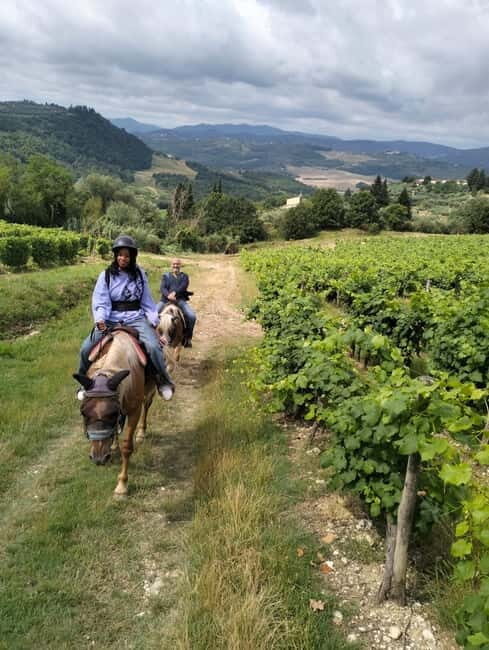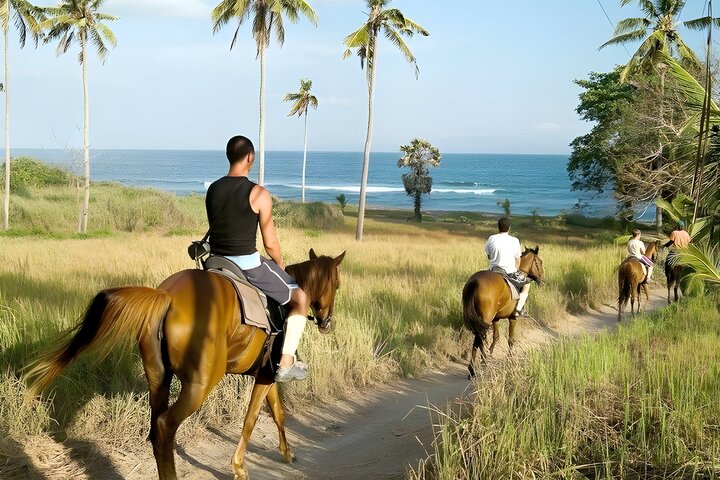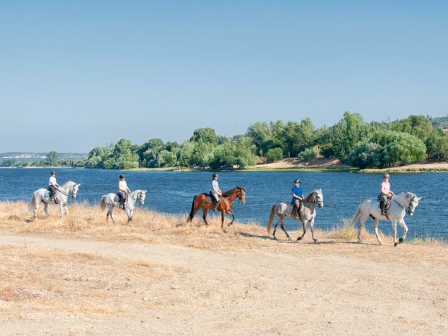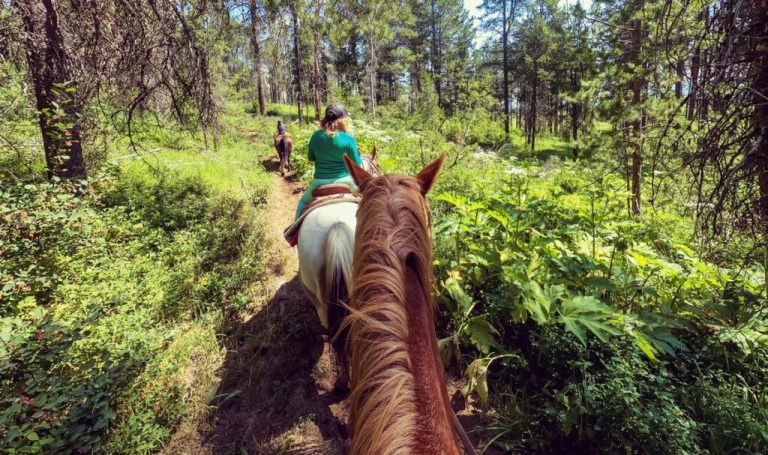
In the heart of vast landscapes where earth whispers the tales of time, embarking on a horse riding expedition is to dance with nature’s elements. Each hoofbeat resonates like a rhythmic hymn to the freedom and raw beauty unfolding beneath boundless skies. These journeys, whether through the shimmering Okavango Delta or the enigmatic expanses of the Kalahari Desert, invite explorers to traverse realms where past and present meld in a tapestry of adventure. To set forth on such an expedition is to embrace challenges, forge bonds with noble horses, and awaken to a world seen through the eyes of a rider.
In brief: Embarking on a horseback expedition offers a unique, immersive way to explore remarkable landscapes from Africa’s wild terrains to the serene beaches of New Zealand. Preparation is key, involving honing riding skills and selecting appropriate gear from trusted brands like Ariat and Charles Owen. Understanding the diversity of saddles, the expected riding durations, and the wildlife encounters ensures readiness. Equally essential is the choice of accommodations and the promise of community, whether joining guided tours or self-guided retreats. These journeys blend adventure with comfort, nature with culture, and personal growth with shared stories.
Understanding the Essence of Horse Riding Expeditions
Horseback expeditions are not mere journeys; they are poetic odysseys beneath the open skies, where the pulse of the land matches the cadence of the hooves. Imagine transitioning from the lush, water-kissed terrains of the Okavango Delta to the stark, awe-inspiring beauty of the Kalahari Desert, each step unveiling secrets of ancient ecosystems. These expeditions, ranging from challenging day rides across the wetlands and salt pans to more relaxed, immersive cultural experiences, weave the thrill of exploration with the art of horsemanship.
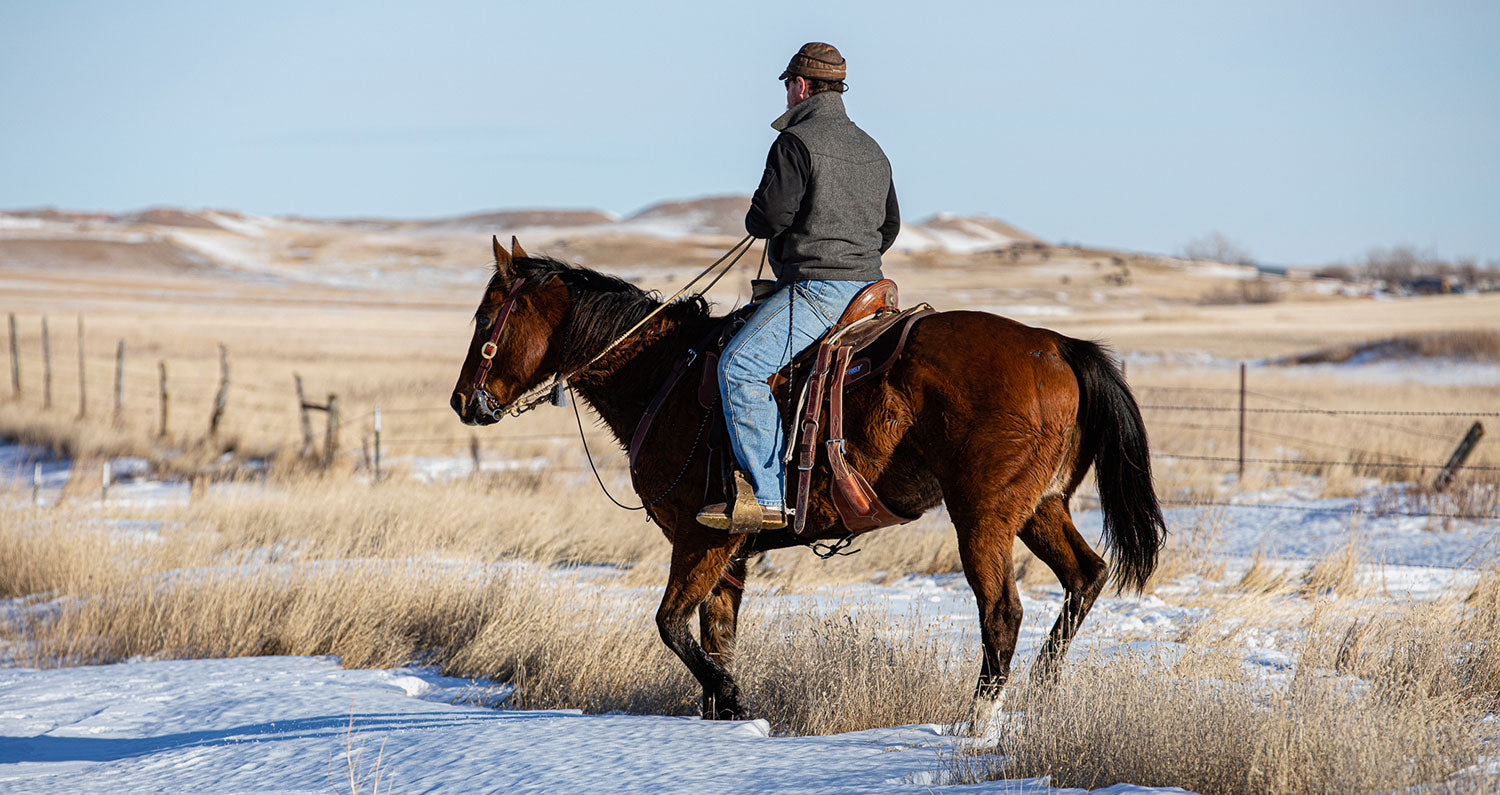
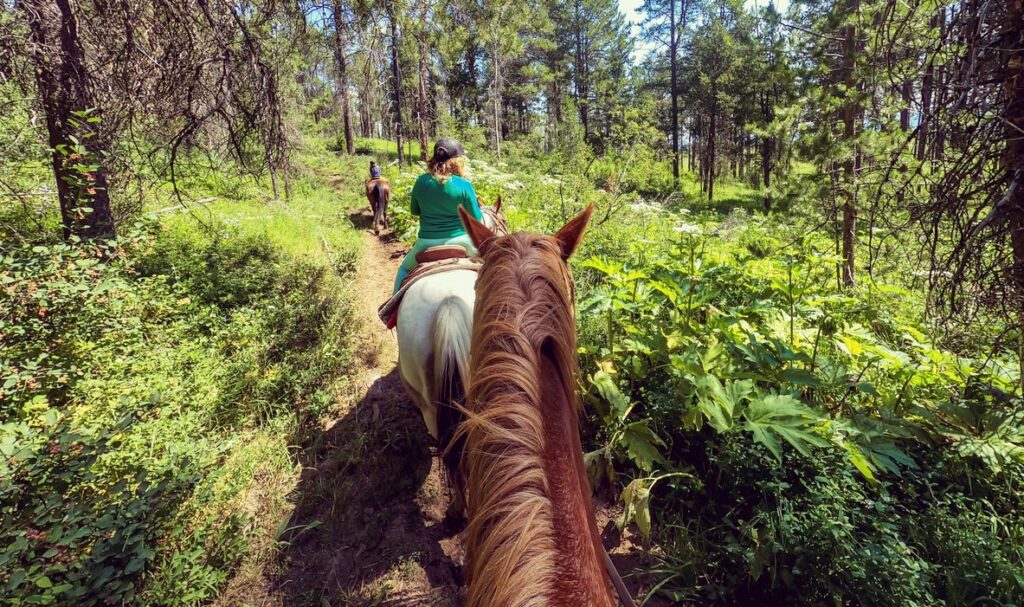
The horse is both a vessel and companion, their trust and strength essential in navigating varied terrains. Riders often find themselves spending between three to seven hours a day in the saddle, split into serene morning rides followed by afternoon adventures. Whether on extensive multi-day treks like those tracing the footsteps of nomadic tribes in Mongolia or gentle river crossings in New Zealand, the rhythm of riding becomes a dialogue with nature itself.
Preparing for the Journey: Skills, Equipment, and Safety
Preparation for an expedition begins long before saddles are fastened. The fitter and more familiar one is with riding, the deeper the enjoyment and connection to each moment. Even riders with sporadic experience find that a series of lessons can awaken dormant skills and boost confidence, an essential measure before venturing into wild terrains where unpredictability is a constant companion.
| Aspect | Details |
|---|---|
| Daily Riding Hours | 3-7 hours, usually two rides per day with breaks |
| Saddles Used | Mostly English tack; optional McClellan or Australian stock saddles |
| Grooming Responsibility | Optional for riders; often handled by guides |
| Wildlife Encounters | Commonly giraffes, zebras, elephants; lions are rare and avoided |
| Essential Gear | Lightweight helmet (e.g., Troxel), quality boots (Mountain Horse, Ariat), chaps |
| Recommended Brands | Horseware Ireland, WeatherBeeta, Kerrits, Ovation, TuffRider, Charles Owen |
The choice of gear reflects a blend of tradition and innovation, ensuring the rider’s comfort and safety. Brands like TuffRider and Horseware Ireland lead in durable, weather-ready attire, while helms from Charles Owen and Troxel safeguard the crown. Bootmakers such as Ariat and Mountain Horse provide the grip and stability demanded by diverse terrains.
Wildlife and Terrain: Embracing the Unexpected
Venturing into the wild demands respect and awareness. Horses, attentive and instinctive, tend to steer clear of danger, their instincts a natural guardian. Riders on safaris often find themselves sharing serene moments with towering giraffes or curious zebras, the landscape alive with wonder yet peaceful. Encounters with apex predators like lions remain extraordinarily rare; guides maintain vigilant watch, prepared to shield the group and ensure safety.
Some expeditions necessitate the ability to gallop swiftly away from potential threats, a capability that underscores the importance of rider fitness and skill. Yet the heart of these journeys beats in moments of tranquility—a dawn ride across pristine wilderness, or a gentle trek following a river’s edge enveloped in morning mist.
Crafting Your Expedition: Choosing the Right Experience
The spectrum of horseback expeditions is vast, from rugged, multi-day adventures to luxurious, lodge-based rides that blend comfort with the thrill of the wild. Destinations like Botswana’s Makgadikgadi Salt pans offer stark, dazzling deserts where herds of zebras roam free, while Mongolia invites riders into vast steppes echoing with nomadic heritage. Each route is a poem written in hoofbeats and landscapes, promising a deeply personal journey.
| Expedition Type | Features | Ideal For |
|---|---|---|
| Multi-day Wilderness Treks | Long distances, moving camps, rugged terrain | Experienced, fit riders |
| Lodge-Based Rides | Daily rides, stable camp, luxury tents | Casual riders, comfort seekers |
| Cultural and Historical Trails | Route through ancient ruins, heritage sites | History lovers, moderate riders |
| Nature and Wildlife Focused | Close wildlife interaction, scenic landscapes | Nature enthusiasts, all skill levels |
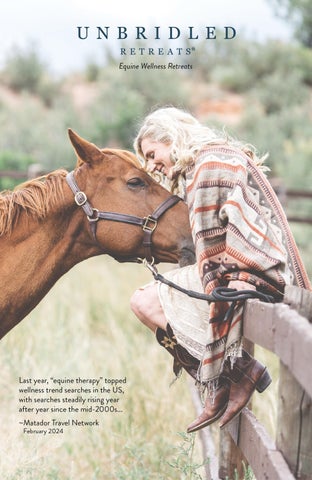
In choosing your path, consider your riding experience, physical fitness, and interests. Many tours encourage bringing along companions, riders or not, with alternative activities such as birdwatching, fishing, or spa retreats enriching the experience. For those seeking serenity and self-discovery, journeys like the therapeutic horse riding retreats offer solace and rejuvenation.
Booking and Group Dynamics for Memorable Expeditions
Organizing a horseback expedition often involves gathering a group of like-minded riders, a communal venture where friendships bloom under open skies. Group sizes typically range from four to a dozen riders, with leaders often receiving special incentives. Budgeting realistically, from $5,000 to $10,000 for a week-long trip, aligns expectations with adventure.
Securing your place requires a deposit, with most operators, including those hosted by experienced organizers like Aardvark Safaris, requesting 25% at booking. Travel insurance, especially with medical evacuation coverage, is a prudent necessity. Flights can be arranged independently or via trusted partners, ensuring a seamless journey from home to the saddle.
Those new to equestrian adventures might explore gentler, introductory tours before stepping into the wild, while seasoned riders may opt for rigorous excursions demanding greater stamina and skill. Notably, the minimum age for many expeditions is around 12, with no strict upper limit as long as riders can gallop if needed.
For companions less inclined to ride, diverse activities ensure their journey is equally rich, from game drives to local cuisine explorations, creating a tapestry of shared memories.