Amidst the golden horizon where earth meets sky, the journey of photographing your horseback vacation unfolds like a living poem. Each stride of the horse, each whisper of the wind through the mane, carries a story yearning to be immortalized. In this dance of light and motion, the camera becomes a brush painting moments of wild grace and tranquil companionship. As you embark on this visual odyssey, blending the primal elegance of equines with the artistry of photography, you step into a world where every frame breathes life, capturing not just images but the very soul of your adventure.
In brief, to capture your horseback vacation in its fullest splendor, embrace the harmony between rider and steed, the whispering landscapes that frame your journey, and the delicate play of natural light. Equip yourself wisely with lenses and tools that respect the horse’s spirit and enhance your creative gaze. Befriend patience and safety as your allies, and let your lens sing the silent poetry of motion and stillness intertwined.
Mastering the Art of Horse Photography: Understanding Equine Spirit
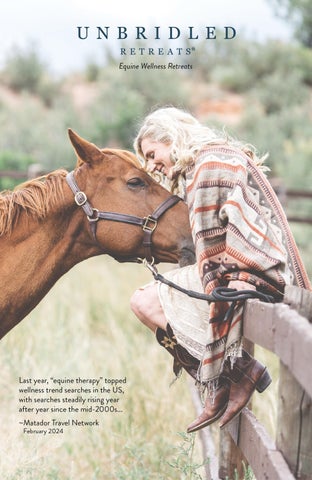
To photograph horses is to touch the very essence of nature’s poetry. These magnificent creatures carry a silent confidence, an ancient wildness tempered by domestication. Before the shutter clicks, cultivate a bond of trust—a connection woven through calm presence and respectful distance. Recognizing a horse’s subtle moods through its ears, eyes, and stance allows you to frame moments of authenticity and grace. This understanding transcends mere technique, inviting you into a silent dialogue where equine psychology guides your vision.
Choosing Your Perfect Canvas: Outdoor Locations for Enchanting Equine Portraits
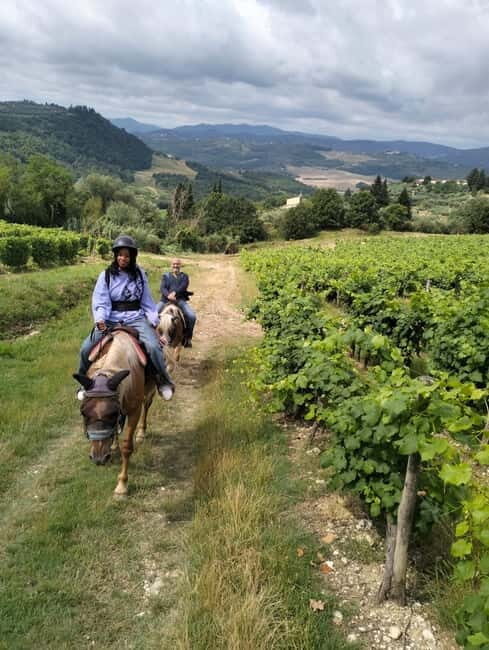
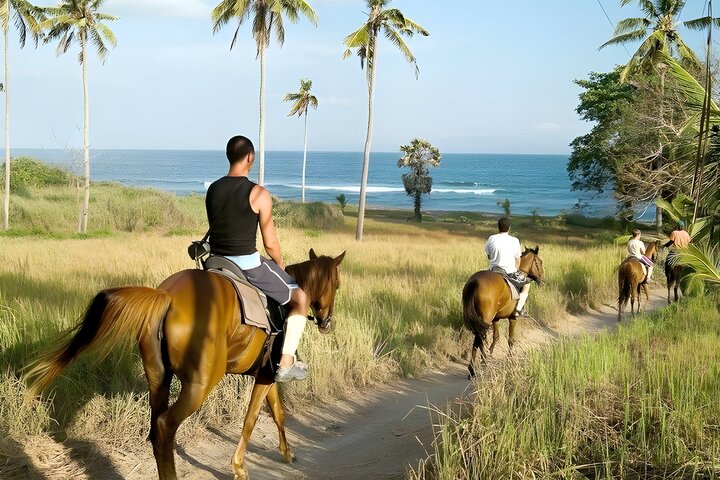
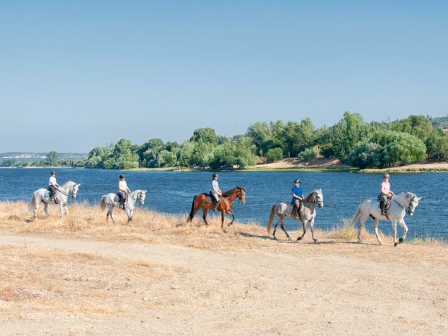
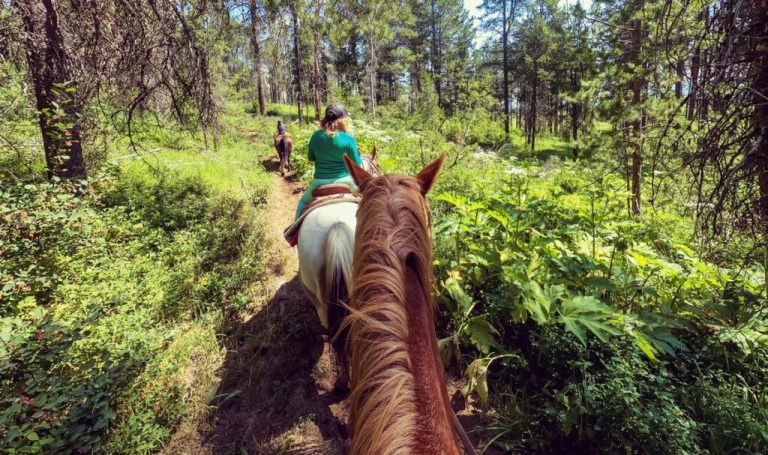
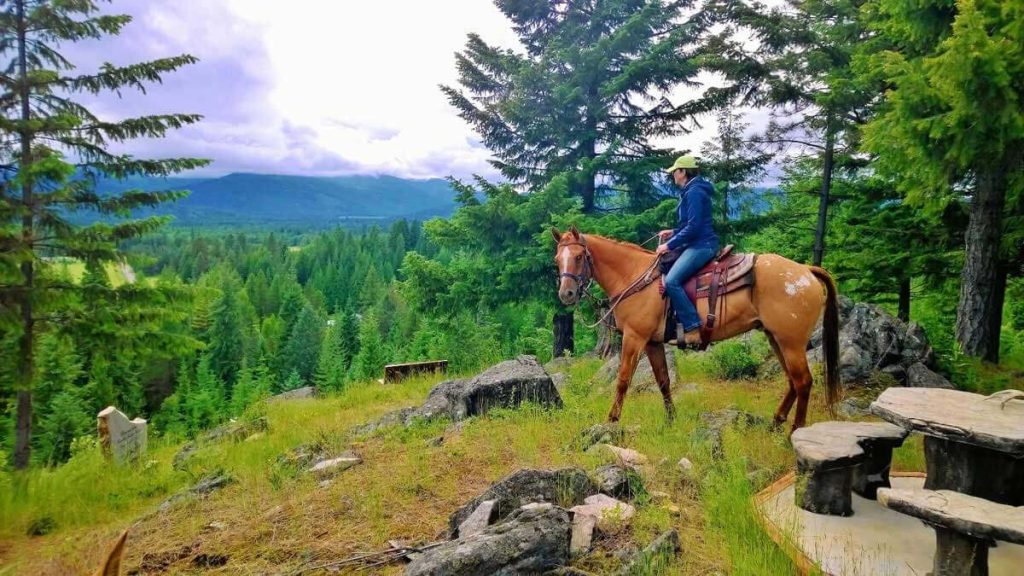
Nature becomes your studio, and the earth, your canvas. Seek wide, open pastures, shaded forest glades, or winding backcountry trails where the horse roams free and wild. Consider the soft embrace of morning mist or the amber glow of late afternoon light—each setting framing your subject with a unique palette and mood. The space you choose not only ensures comfort for your noble model but also offers you the freedom to compose sweeping shots and intimate close-ups alike.
| Location Type | Advantages | Considerations |
|---|---|---|
| Open Pasture | Ample space for movement and diverse angles | Watch for harsh midday sun and unpredictable weather |
| Forest Glade | Soft filtered light and natural shelter | Ensure enough room for horse and photographer safety |
| Backcountry Trail | Dynamic backgrounds and natural paths for motion shots | Requires awareness of surroundings and stable footing |
Wisdom of Safety and Sensitivity: Navigating the Equine Environment
Safety weaves silently through the fabric of your photographic quest. Horses, with their majestic strength, move with unpredictable grace—requiring your vigilance and calm command. Maintain a respectful distance, harmonizing your steps with the heartbeat of the beast. Dialogue with the trainer or guide anchors this safety net, assuring clear signals and smooth encounters. Gentle, light gestures soothe the equine’s spirit, inviting openness rather than flight. This delicate choreography between patience and presence ensures your artistry does not ruffle the tranquil waters of trust.
Gear That Becomes an Extension of Your Eyesight
In the realm of horses, where majestic forms command attention from afar, the right gear becomes your silent partner. A Canon or Nikon camera paired with a versatile 70–200mm lens unveils a world of detail from a safe distance, blurring backgrounds into dreamlike softness while spotlighting your equine muse. Embrace the subtle artistry of Sigma lenses for crisp clarity or the nimble agility of a Sony or Fujifilm mirrorless system capturing fleeting motions. Filtering elements like UV or ND filters protect your optics from dusty fields, while avoiding intrusive flashes preserves the horse’s calm soul. For dynamic action or candid moments, a GoPro strapped with care adds immersive perspectives, while tools like those from Peak Design ensure your equipment remains secure on rugged trails.
| Equipment | Use | Benefit |
|---|---|---|
| 70-200mm Telephoto Lens | Distant portraits and detailed close-ups | Maintains safety; creates beautiful bokeh |
| UV & ND Filters | Protects lens; controls light exposure | Improves image clarity in outdoor conditions |
| GoPro Camera | Action and immersive angles | Captures dynamic moments on the move |
| Tripod/Monopod | Stabilization during high shutter speeds | Ensures sharp images in motion shoots |
The Dance of Light and Motion: Techniques to Capture Equestrian Elegance
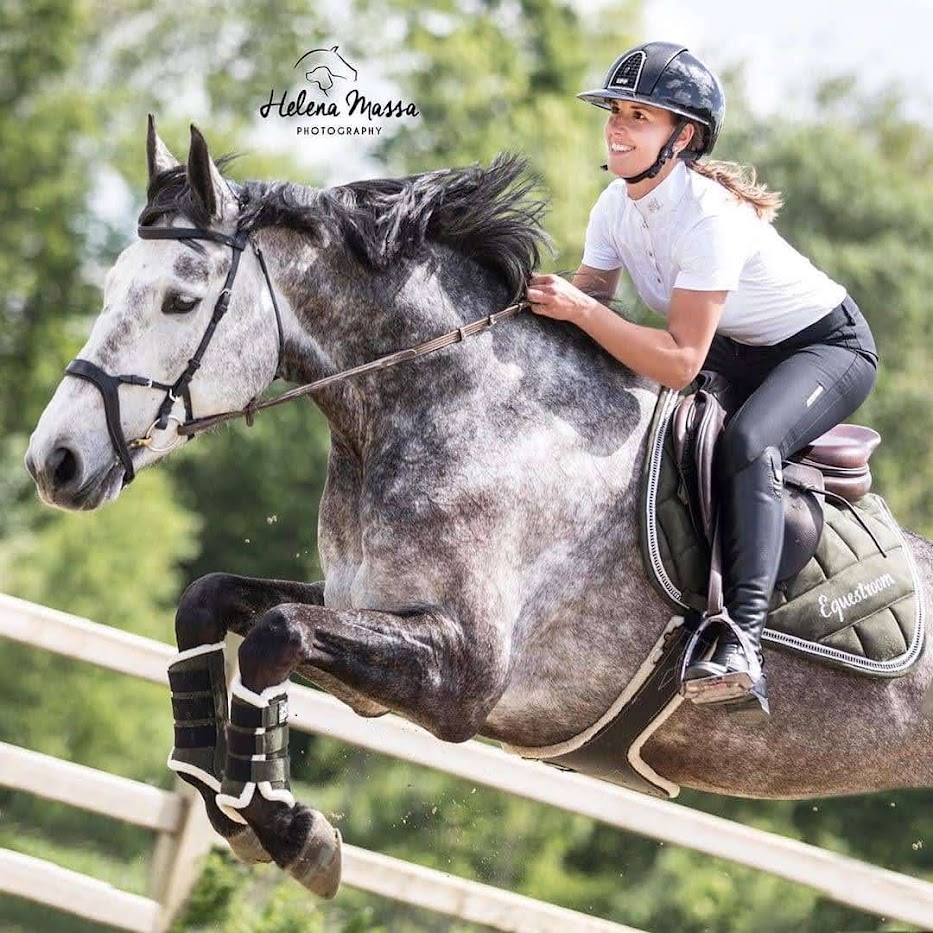
The sun, whether a gentle morning caress or evening’s soft retreat, casts the perfect light to weave magic into each shot. Overcast skies become a diffuse canvas, painting shadows with tender hands that preserve color depth and intricate textures of coat and mane. Flickers of motion—galloping hooves, soaring leaps—demand a marriage of high shutter speeds and continuous focus, transforming fleeting energy into eternal beauty. Burst mode becomes your rhythm, capturing the narrative of motion across countless frames for you to select the purest notes.
Angles and Moments: Capturing the Soul of Your Steed
Low-angle views elevate the horse to a mythic stature, each frame singing of strength and freedom as the creature leaps or trots above the horizon. Conversely, taller vantage points offer graceful overviews of Herd harmony or quiet companionship at rest. Notice the alert ears: upright and attentive, they whisper vitality into your portraits, turning pictures into living stories. Kindly avoid flashes; trust natural light to unveil the horse’s spirit with gentle authenticity.
| Lighting Condition | Recommended Settings | Effect on Image |
|---|---|---|
| Overcast Soft Light | Moderate ISO; low aperture | Even tones and rich detail |
| Golden Hour (morning/evening) | Warm white balance; fast shutter speed | Warm glow and dynamic contrast |
| Direct Midday Sun | Use ND filters; adjust exposure | Harsh shadows; risk of washed-out colors |