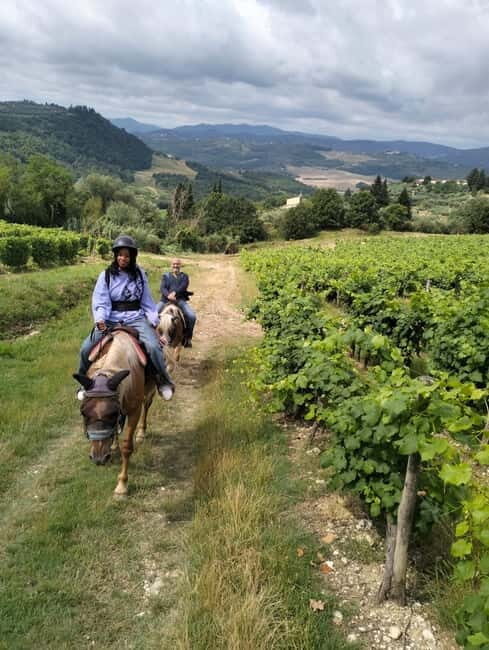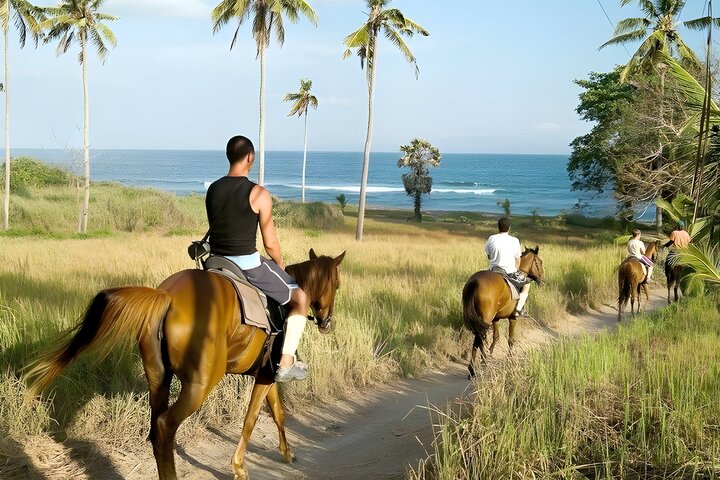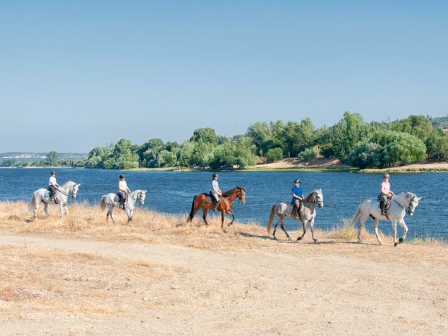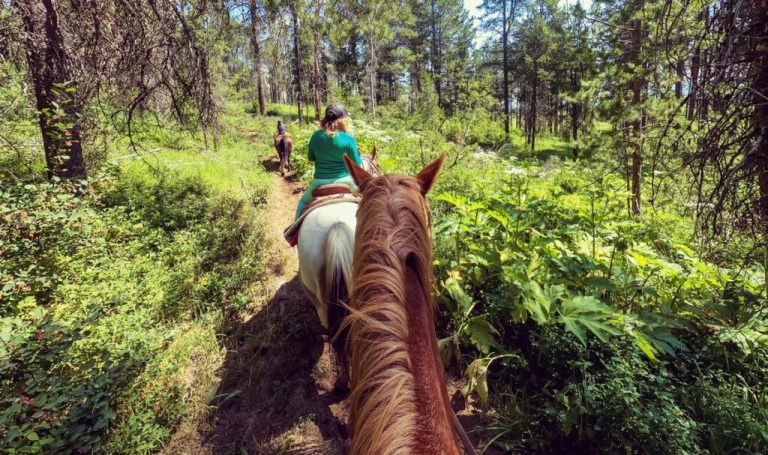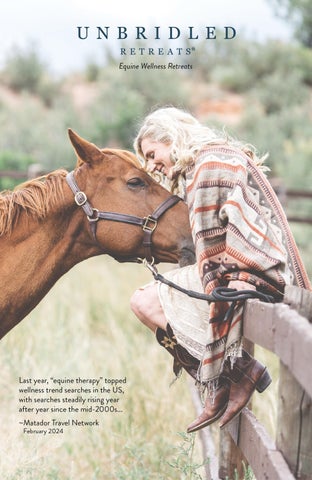
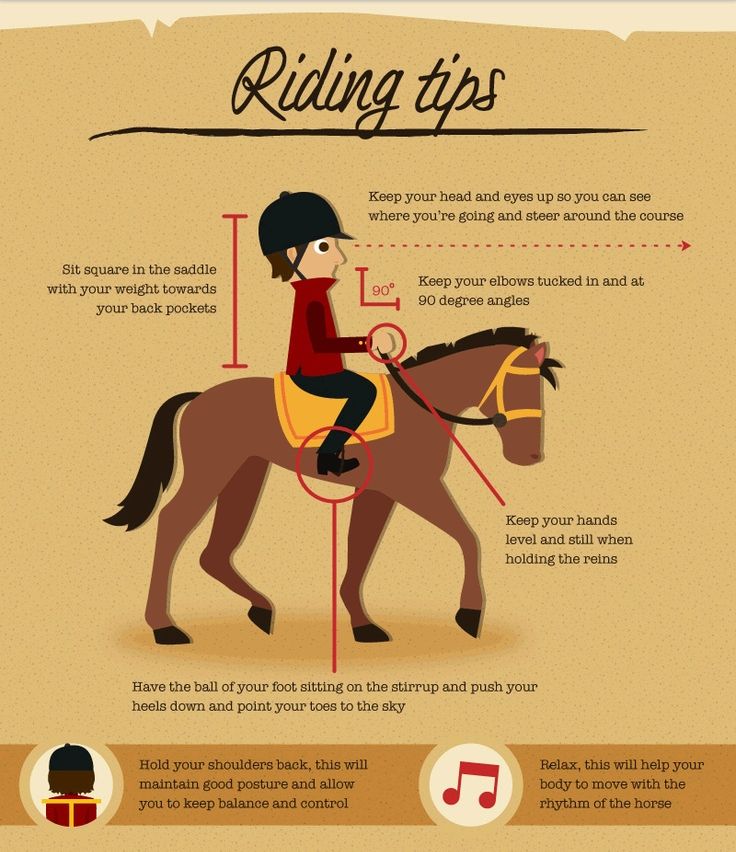
In the gentle sway of a horse’s gait and the whisper of the wind over distant hills lies a promise—a vacation woven from the threads of adventure and serenity. Horseback riding, a dance between rider and steed, invites both neophytes and seasoned travelers to explore nature’s canvas in its most primal form. Yet, beneath the allure of the open trail, safety blooms as the silent guardian of every gallop and canter. Preparation, understanding, and respect for the horse and terrain are the keystones of a journey both thrilling and secure. As you tether your spirit to a mount, let this guide be your compass through the graceful ride of safety, comfort, and unforgettable memories.
In brief: A horseback riding vacation offers a harmonious blend of excitement and tranquility, demanding physical preparation to strengthen the core and limbs for balance and endurance. Equipping oneself with appropriate gear—such as helmets from Troxel or Charles Owen and boots from Ariat or Mountain Horse—ensures protection and comfort. Matching the rider’s skill with the horse’s temperament minimizes risks, while vigilance in terrain navigation and tack checks wards off potential mishaps. Embarking on a journey with skilled guides and understanding group dynamics further enshrines safety among the hills and valleys you traverse.
Essential Physical Preparation for a Safe Horseback Riding Vacation
The poetry of riding is etched not only in the connection between rider and horse but in the physical harmony within one’s own body. Building core strength supports balance, a dance of muscles that steadies you upon the moving saddle, reducing strain and protecting against common back pains. Planks and side planks, practiced gently yet consistently, become the pillars of this strength, while push-ups fortify the shoulders and upper back, equipping you to guide your equine companion with grace and command. Squats and lateral lunges awaken the inner thighs, hamstrings, and quadriceps, muscles vital to maintaining a secure seat through hours on the trail.
| Exercise | Targeted Muscles | Purpose | Frequency |
|---|---|---|---|
| Planks | Core | Improves balance and posture | 3 sets, 20-30 seconds, 3x/week |
| Side Planks | Obliques | Enhances lateral stability | 3 sets, 15-30 seconds each side, 3x/week |
| Push-ups | Upper Back, Shoulders | Strengthens arm and back muscles | 2-3 sets of 10 reps, as comfortable |
| Squats | Quads, Hamstrings, Glutes | Supports saddle endurance and balance | 3 sets of 10 reps |
| Lateral Lunges | Inner Thighs | Increases comfort through stirrup stability | 3 sets of 10 reps each side |
Choosing and Wearing the Right Riding Gear for Safety and Comfort
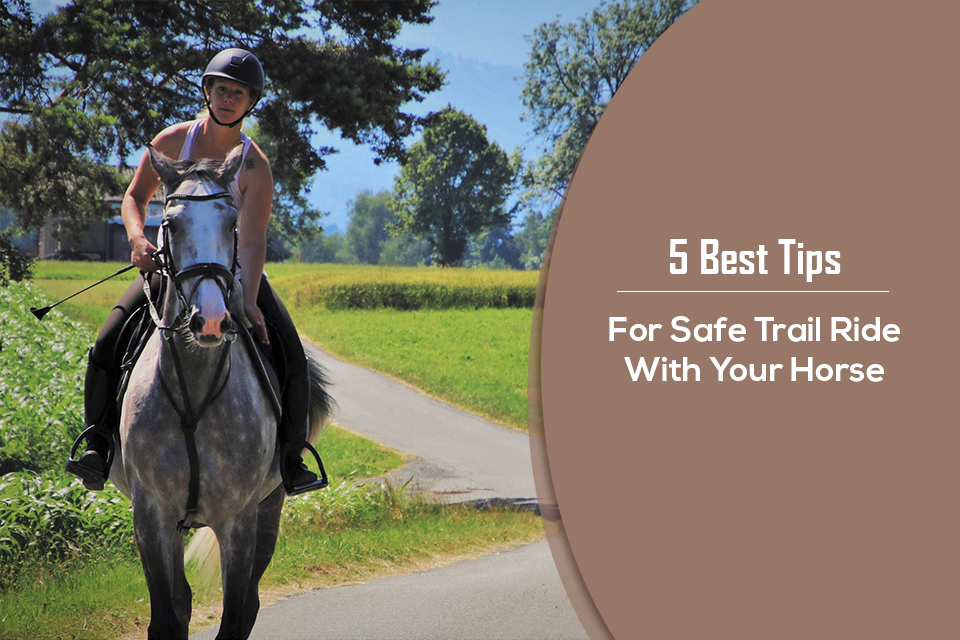
In the realm of equestrian attire, safety and comfort entwine elegantly. Helmets by trusted names such as Troxel and Charles Owen embody the shield between rider and unforeseeable fate, vital to protect the head against the unseen. Tackling the terrain demands boots—Ariat’s sturdy yet flexible footwear or the protective embrace of Mountain Horse boots cradle the feet, enhancing grip and minimizing slip. Layering with clothing from TuffRider or WeatherBeeta offers defense against weather’s whims, while brands like Kerrits and Ovation provide functional and breathable fabrics tailored for hours in the saddle.
One must not overlook the elegance of simplicity: Long sleeves guard against sun and brush, cushioned riding pants or bike shorts cradle the body, and gloves from Tipperary shield the hands. These choices breathe comfort and security into each moment spent amidst rolling trails or rugged landscapes, whether during a multi-day trek or a brief beach escapade.
Mastering Safety Practices: Wisdom From the Trails
Safety is the subtle art woven through every gesture and decision on horseback. The dance commences long before mounting; checking cinches twice, assuring saddle security, and respecting the delicate trust between rider and steed. Keen observation guards against the missteps of loose horses or the peril of mismatched riders. The wisdom of seasoned guides, well-acquainted with the local terrain and horse temperaments, anchors the group’s harmony, preventing the chaos that overlarge parties might invite.
| Common Horseback Riding Risks | Preventive Measures |
|---|---|
| Not Wearing a Hard Hat | Always wear helmets from reputable brands like Troxel or Charles Owen |
| Mismatched Horse and Rider | Professional matching and skill evaluation before the ride |
| Unsafe Terrain Speed | Moderate pace on unfamiliar or dangerous ground |
| Loose or Untied Horses in a Group | Ensure proper tack and avoid riding with loose pack horses |
| Poor Mounting and Dismounting Techniques | Use mounting blocks and assistance when necessary |
To delve into these safety themes is to prepare one’s heart and mind, smoothing the path for a wondrous ride filled with trust and grace. Such wisdom enriches not only your journey but ensures the harmony of your equestrian family, whether on a group horseback vacation or a solo riding adventure.
Developing Confidence After an Accident on Horseback
Falls and tumbles, though daunting, are often the shadowed steps on the ladder to equestrian mastery. Resilience arises from the tender renewal of trust—with oneself and with the horse beneath. Setting a gentle pace with a quiet, responsive mount can nurture this fragile confidence. Encounters with playful foals, as well as the soothing presence of seasoned horses familiar with patient riders, stitch the soul back into harmony. Experts often recall the shedding of fear through gradual exposure and supportive instruction, a passage toward joyous riding days ahead.